Unveiling the World of Dental Implants: Choosing the Right Option for Your Smile
- Dr Bikash Pattanaik
- Dental implant
- May 23, 2024
Are you considering dental implants to restore your smile and regain confidence in your teeth? Missing teeth can significantly impact your life, affecting your ability to chew, speak clearly, and even your confidence. Fortunately, dental implants offer a revolutionary solution for restoring missing teeth and achieving a complete, healthy smile. But with various implant types available, navigating this world can feel overwhelming. This blog dives into the different types of dental implants, helping you understand their distinctions and determine which one might be right for you. We’ll explore the different types of dental implants, their unique characteristics, and factors to consider when determining which implant is best suited for you.
Understanding Dental Implants:
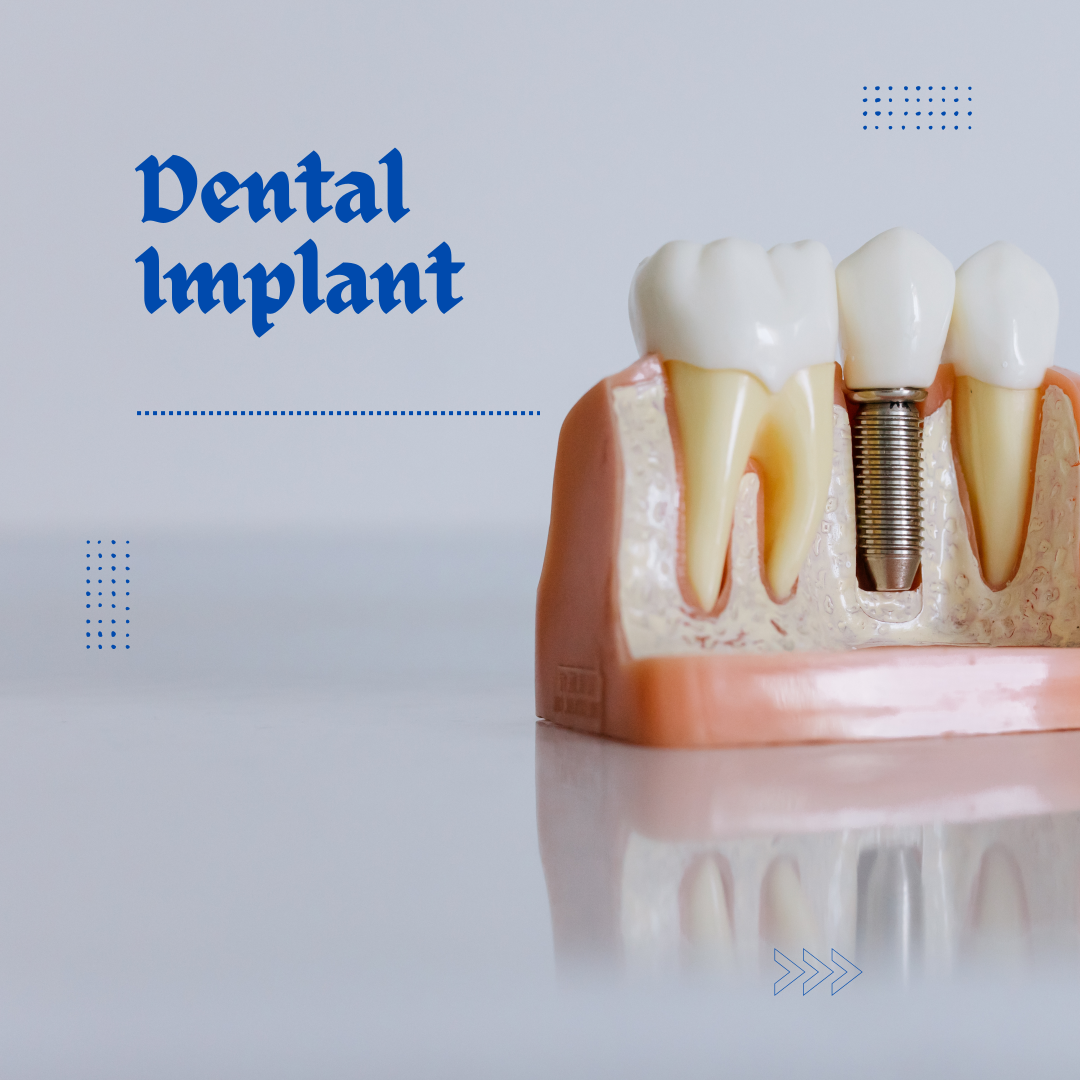
Before exploring the different types, let’s revisit the basics. Dental implants are small, biocompatible titanium posts surgically placed in your jawbone. These posts act as artificial tooth roots, providing a stable foundation for restorations like crowns, bridges, or dentures. Implants offer unmatched durability, functionality, and aesthetics compared to traditional dentures. These implants fuse with the jawbone through a process called osseointegration, providing a stable foundation for prosthetic teeth that look, feel, and function like natural teeth.
Factors Influencing Implant Choice:
The type of implant your dentist recommends depends on several factors:
Number of Missing Teeth:
Single tooth replacement: Typically, a single implant with a custom-made crown is used to replace a single missing tooth.
Multiple missing teeth: Depending on the location and number of missing teeth, several options exist, such as multiple single implants with crowns or implant-supported bridges.
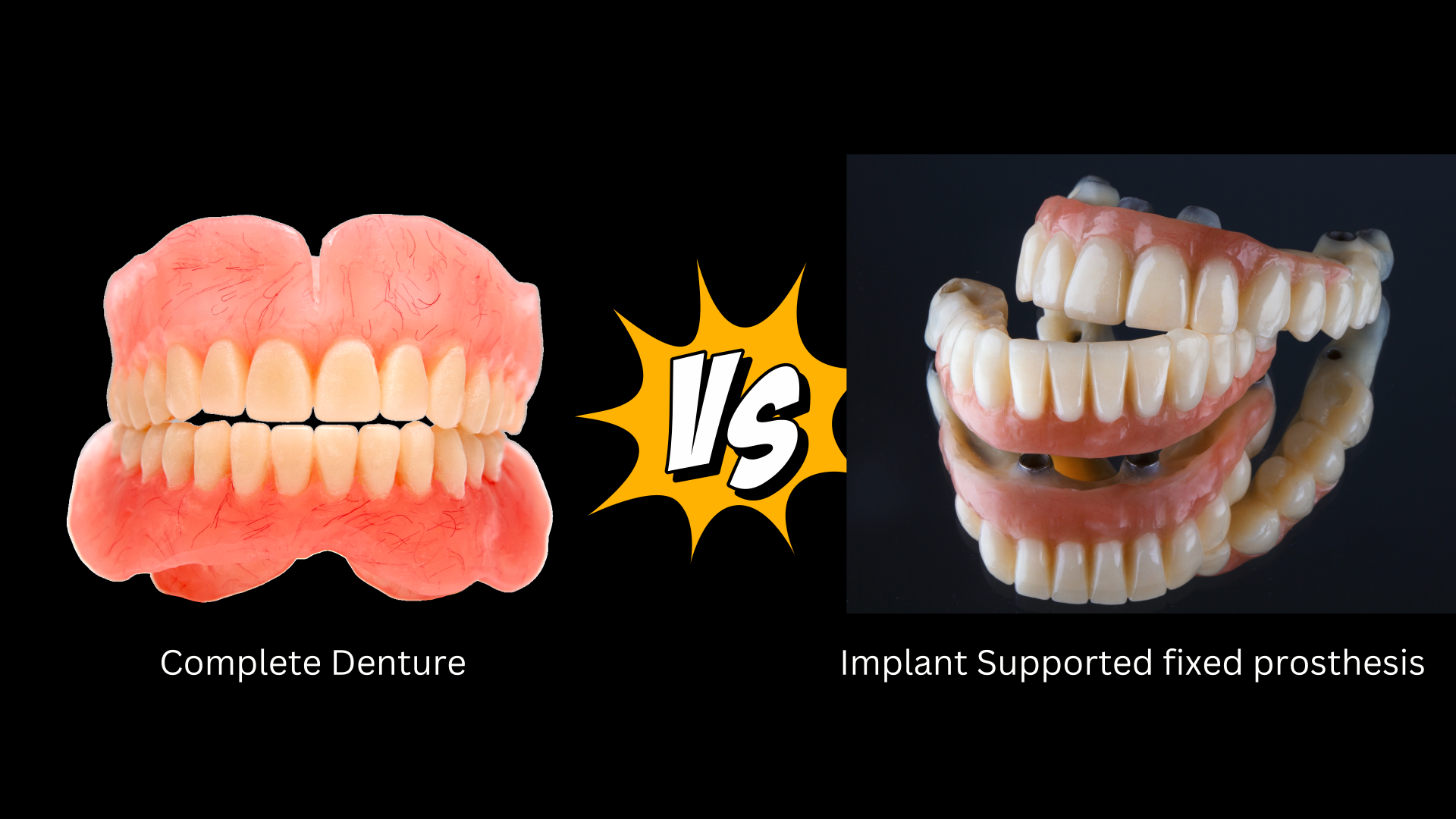
Full mouth restoration: In cases of severe tooth loss, implant-supported dentures can be anchored on strategically placed implants, providing a stable and secure solution.
Jawbone Health: The density and volume of your jawbone play a crucial role. X-rays and CT scans will help your dentist assess if your jawbone is strong enough for implant placement. If not, bone grafting procedures can often be performed to augment the jawbone and create a suitable site for implants. Patients with adequate jawbone density may be candidates for endosteal implants, while those with reduced bone density may require alternative options such as subperiosteal implants
2. Treatment Goals:
Consider your treatment goals and expectations when choosing a dental implant option. If you require full arch tooth replacement, All-on-4 implants may be the most suitable option. Conversely, if you are replacing a single tooth or several teeth, traditional endosteal implants may be more appropriate.
3. Oral Health:
Your overall oral health and the condition of your surrounding teeth and gums will also influence the type of dental implant recommended for you. Patients with healthy gums and sufficient bone structure are generally better candidates for traditional dental implants.
Anatomy: Your jaw anatomy, including the location of nerves and sinuses, can influence the type and placement of implants.
Your Preferences: Discuss your preferences with your dentist regarding factors like treatment timeline, budget, and desired aesthetics.
Exploring Different Types of Dental Implants:
Now, let’s delve into the most common types of dental implants:
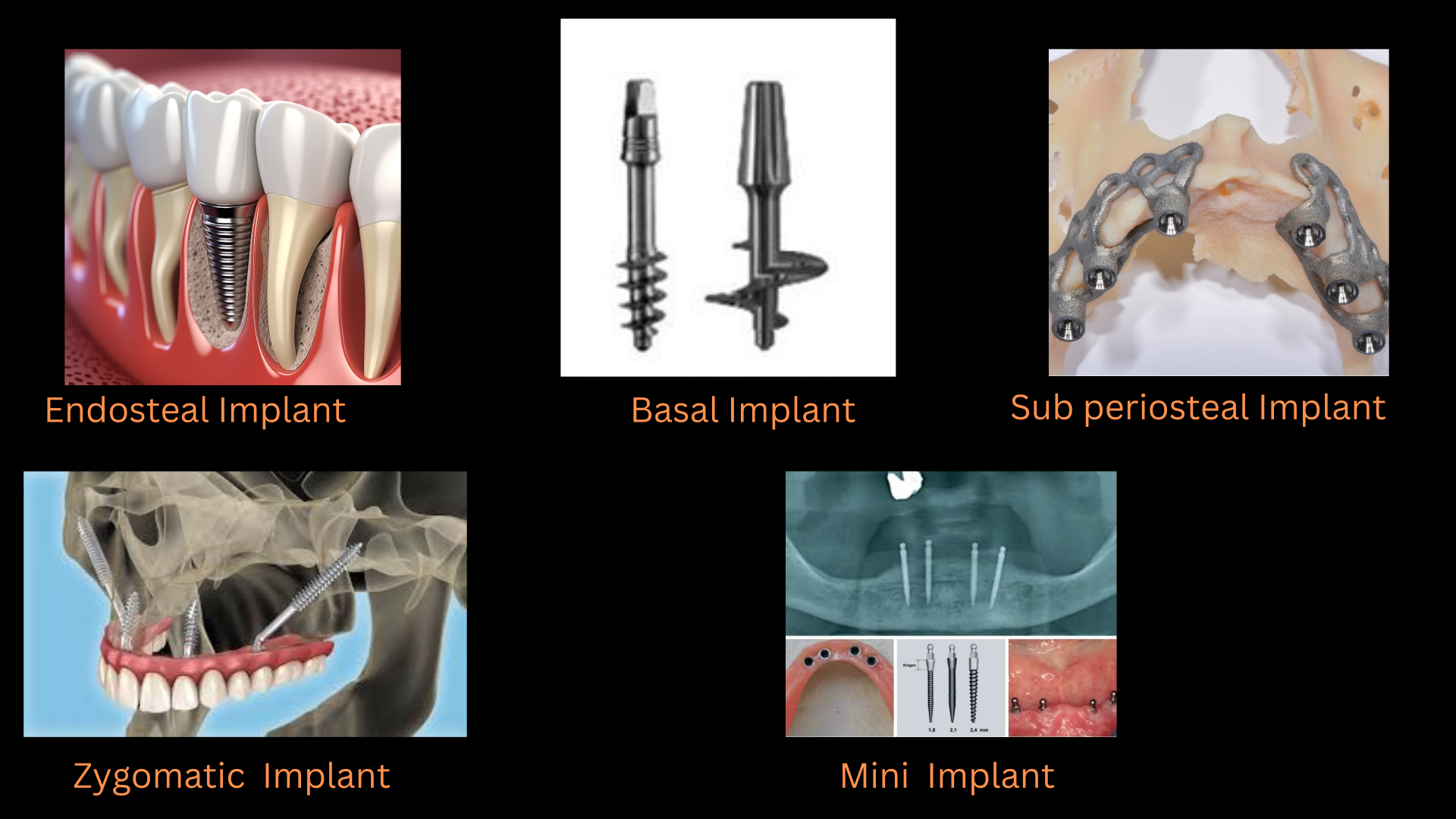
1.Endosteal Implants:
Most common type of implant.
Shaped like small screws, cylinders, or blades.
Surgically placed directly into the jawbone.
Used for replacing single teeth, multiple teeth, or supporting dentures.
Offer excellent long-term stability and functionality.
2. Basal Implants: A Quick Look
Basal implants are a type of dental implant used to replace missing teeth. Here’s a simplified explanation for everyday people:
Similar Goal: Like regular implants, basal implants aim to replace missing teeth and restore function and aesthetics.
Different Approach: Regular implants are typically screwed into the jawbone. Basal implants, however, are designed to be wider and sometimes even angled to anchor in denser basal bone deeper in the jaw.
Not for Everyone: Regular implants are more widely used and have a longer track record of success. Basal implants may not be suitable for everyone due to factors like jawbone anatomy and require careful evaluation by a dentist.
Here are some additional points to consider:
Basal implants are a newer technique, and more research is needed to fully understand their long-term success rates compared to traditional implants. Discuss the pros and cons of basal implants with your dentist to see if they are a good option for you. It’s important to choose an experienced dentist who is qualified to place basal implants.
3. Zygomatic Implants:
Less common type of implant. Used only in specific cases where severe bone loss in the upper jaw makes traditional implant placement impossible. Longer implants anchored in the cheekbone (zygomatic bone) instead of the jawbone. A complex surgical procedure requiring specialized training and expertise.
4. Subperiosteal Implants:
Least common than endosteal implants. Placed on or above the jawbone, resting on the bone surface. Typically used for patients with limited jawbone height or those who cannot undergo bone grafting procedures. A metal frame is placed under the gum and secured to the bone with posts. Crowns are then attached to the posts, providing support for the restoration.
5. Mini Dental Implants:
Mini dental implants are smaller in diameter than traditional dental implants and are often used in situations where there is limited bone structure or space. These implants are suitable for patients who may not be eligible for traditional implants due to bone loss or anatomical constraints.
Single vs. Multiple Piece Implants:
Single-piece implants: The implant post and the abutment (piece connecting the implant to the crown) are one unit.
Two-piece implants: The implant consists of two e separate pieces: the implant post surgically placed in the jawbone, and a separate abutment attached to the post after healing. The crown is then attached to the abutment.
Most dentists prefer Two-piece implants as they offer greater flexibility in customizing the restoration and ensuring proper placement.
Choosing the Right Implant for You:
There’s no “one-size-fits-all” solution when it comes to dental implants. Your dentist will carefully assess your unique needs and recommend the most suitable implant type based on factors like:
The number and location of missing teeth.
Your jawbone health and anatomy.
Your overall health and medical history.
Your desired treatment timeline and budget.
The Consultation Process:
If you’re considering dental implants, schedule a consultation with a dentist specializing in implant dentistry. During the consultation, your dentist will:
Review your medical and dental history.
Conduct a thorough oral examination, including X-rays or CT scans to evaluate your jawbone health.
Discuss your expectations and treatment goals.
Explain the different types of dental implants and their suitability for your case.
Develop a personalized treatment plan tailored to your specific needs.
Discuss the costs associated with dental implant treatment.
Beyond the Types: Additional Considerations for Dental Implants
While understanding the different types of dental implants is crucial, other factors come into play when making an informed decision about your implant treatment. Here’s a breakdown of some additional considerations:
Implant Material:
Dental implants are typically made of titanium, a biocompatible metal that readily integrates with your jawbone (osseointegration). Some implant systems may utilize zirconia abutments for aesthetic purposes, particularly in the front of the mouth. Here’s a closer look at the material:
Titanium: The gold standard for dental implants due to its:
Biocompatibility: Minimal risk of allergic reaction or rejection by the body.
Strength and durability: Can withstand strong biting forces and last a lifetime with proper care.
Osseointegration: Bonds readily with jawbone, providing long-term stability for the implant.
Surface Treatment:
Some implant systems incorporate a special surface treatment on the titanium implant post to enhance osseointegration. These treatments can involve microscopic roughening or blasting the implant surface, promoting faster and stronger bone attachment.
Implant Length and Diameter:
The length and diameter of the implant are chosen based on your jawbone anatomy and the number of teeth being replaced.
Length: Depends on the available bone volume in your jaw. Shorter implants may be used in specific cases, but generally, longer implants offer greater stability.
Diameter: Wider implants can provide greater stability, particularly for replacing molars that experience higher biting forces. However, jawbone anatomy may limit the diameter that can be used.
Aesthetics:
While the primary focus of dental implants is functionality, aesthetics are also important. The crown or restoration placed on top of the implant is custom-made to match the color, shape, and size of your surrounding teeth. Discuss your aesthetic goals with your dentist to ensure the final restoration blends seamlessly with your smile.
Digital Dentistry and Implant Planning:
Modern dentistry utilizes advanced technology like computer-aided design (CAD) and computer-aided manufacturing (CAM) for implant planning and restoration fabrication. This technology allows for 3D Imaging and Planning. Using digital scans (CT scans) of your jaw, dentists can create a virtual 3D model to plan implant placement for optimal results. This allows for precise implant positioning and minimizes surgical risks. CAD software can design customized crowns, bridges, or dentures that fit perfectly on the implants, ensuring exceptional aesthetics and functionality.
Guided Implant Surgery: Dental navigation systems can be used for guided implant surgery. These systems provide real-time guidance during surgery, ensuring accurate implant placement according to the pre-planned virtual model.
Cost of Dental Implants:
Dental implants typically involve a higher initial investment compared to traditional dentures or bridges. However, their long-term durability, minimal need for replacement, and improved oral health benefits can make them a worthwhile investment.
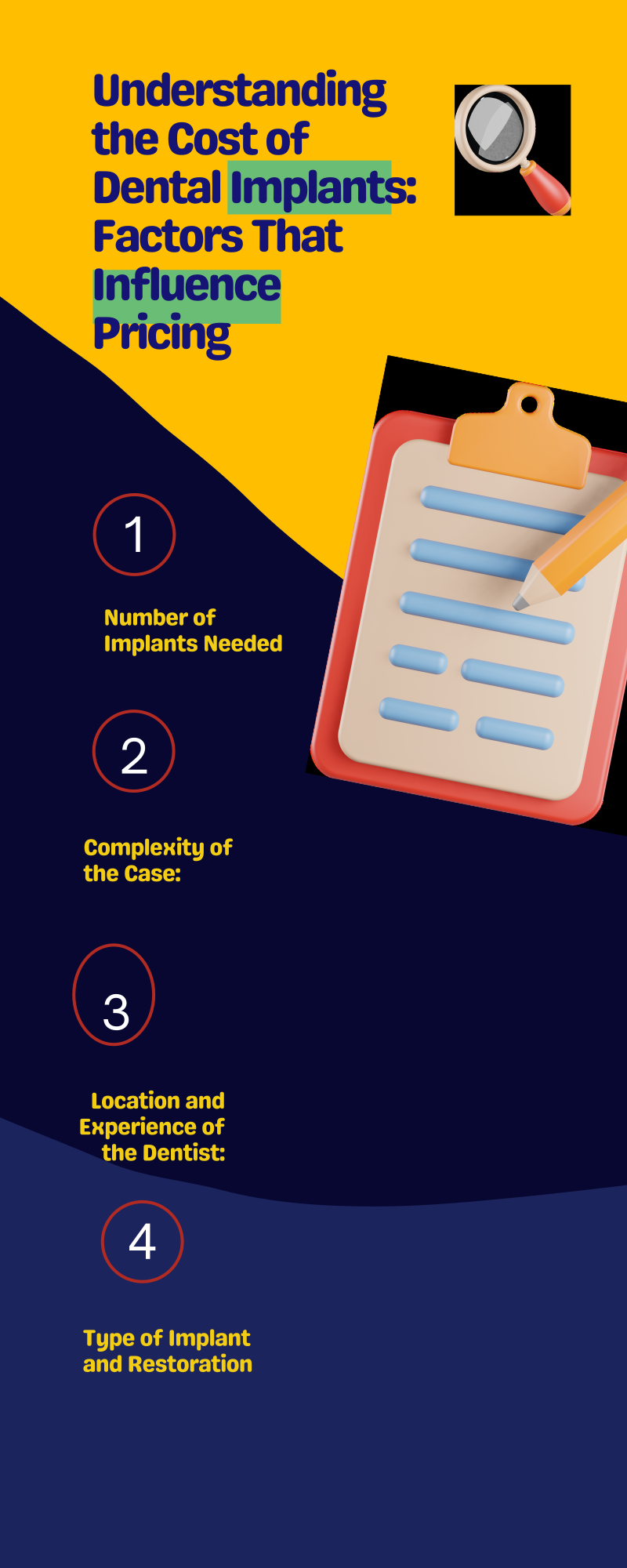
The cost of dental implants can vary depending on several factors, including:
The number and type of implants needed.
The complexity of the surgical procedure.
The materials used for the implant and restoration.
The geographic location of your dentist.
The dentist’s level of experience and expertise.
Many dental practices offer financing options to make dental implants more accessible. Discuss payment plans with your dentist’s office to find a solution that fits your budget.
Recovery and Maintenance After Implant Placement:
Following implant placement surgery, some swelling, discomfort, and bruising are normal. Your dentist will provide you with specific post-operative instructions to promote healing and minimize complications. Proper oral hygiene is crucial for the long-term success of dental implants. Regular brushing, flossing, and professional dental cleanings are essential to maintain healthy gums and prevent peri-implant disease, which can lead to implant failure.
Conclusion:
Dental implants offer a transformative solution for individuals seeking to restore their smiles and regain confidence in their teeth. With various types of dental implants available, including endosteal implants, subperiosteal implants, Basal , and mini dental implants, there is a suitable option for every patient. By considering factors such as jawbone density, treatment goals, and oral health, you can work with your dentist to determine the right type of dental implant for you.
Ready to Explore Your Options?
At Care and Cure Dental Implant and Cosmetic Center, we specialize in providing personalized dental implant solutions tailored to each patient’s unique needs. Our team of experienced dentists utilizes advanced technology and techniques to ensure a comfortable and successful implant experience.
Schedule a consultation today!
Log in to https://dentalcareandcure.in
When determining which type of dental implant is right for you, several factors informed above should be considered:
Dr. Bikash Pattanaik
Prosthodontist
Care and Cure Dental Implant and Cosmetic Center, Nashik