Unveiling the Journey: The Dental Implant Procedure - From Consultation to Recovery
- Dr Bikaswh Pattanaik
- Dental implant
- April 15, 2024
Missing teeth can significantly impact your life, affecting your ability to chew comfortably, speak clearly, and even your confidence. Fortunately, dental implants offer a revolutionary solution for restoring missing teeth and achieving a complete, healthy smile. However, undergoing an implant procedure can seem daunting if you’re unfamiliar with the process. This blog sheds light on what to expect, from the initial consultation to recovery, empowering you to make informed decisions about your oral health.
In recent years, dental implants have revolutionized the field of dentistry, offering a permanent solution for missing teeth that looks and feels natural. If you’re considering dental implants, you might have questions about the procedure, what to expect, and the recovery process. In this comprehensive guide, we’ll walk you through everything you need to know, from the initial consultation to post-operative care.
Understanding Dental Implants:
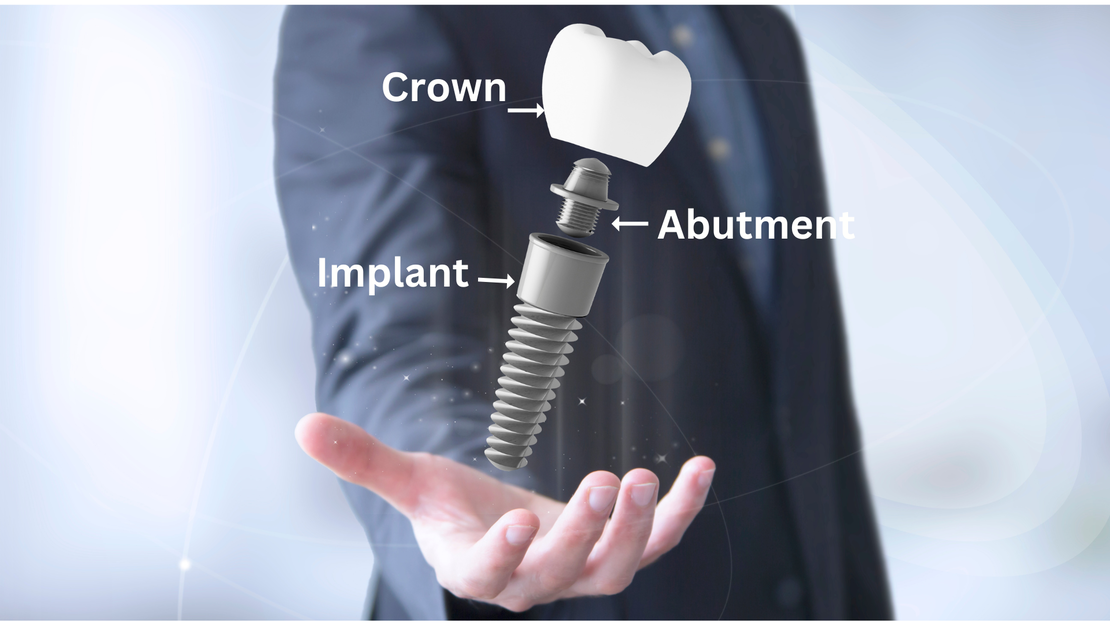
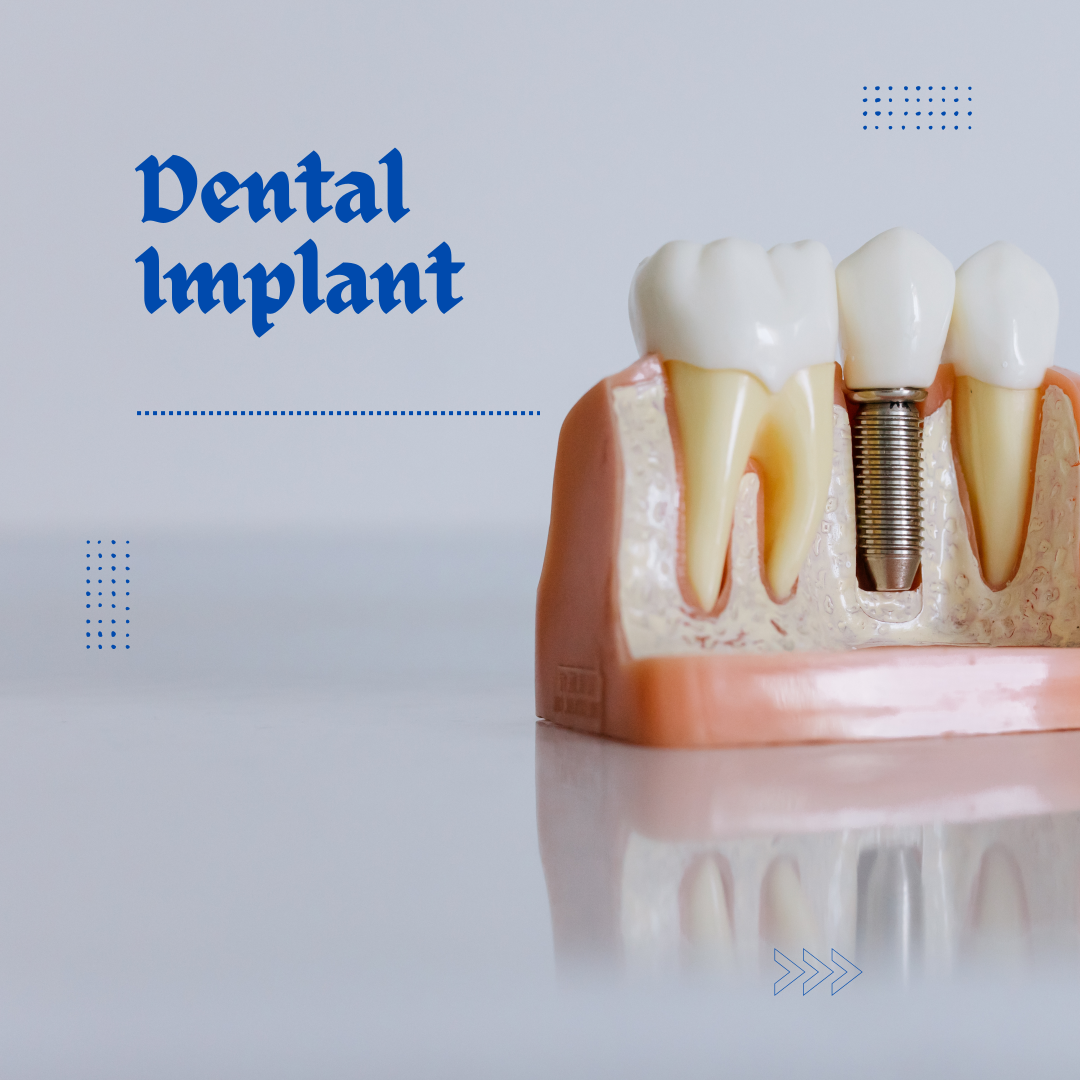
Before diving into the procedure itself, let’s revisit the basics. Dental implants are small, biocompatible titanium posts surgically placed in your jawbone. These posts act as artificial tooth roots, providing a stable foundation for restorations like crowns, bridges, or dentures. Implants offer unmatched durability, functionality, and aesthetics compared to traditional dentures.
The Consultation: Your Roadmap to a Radiant Smile
The journey towards dental implants begins with a consultation with a dentist specializing in implant dentistry. Here’s what you can expect during this initial visit:
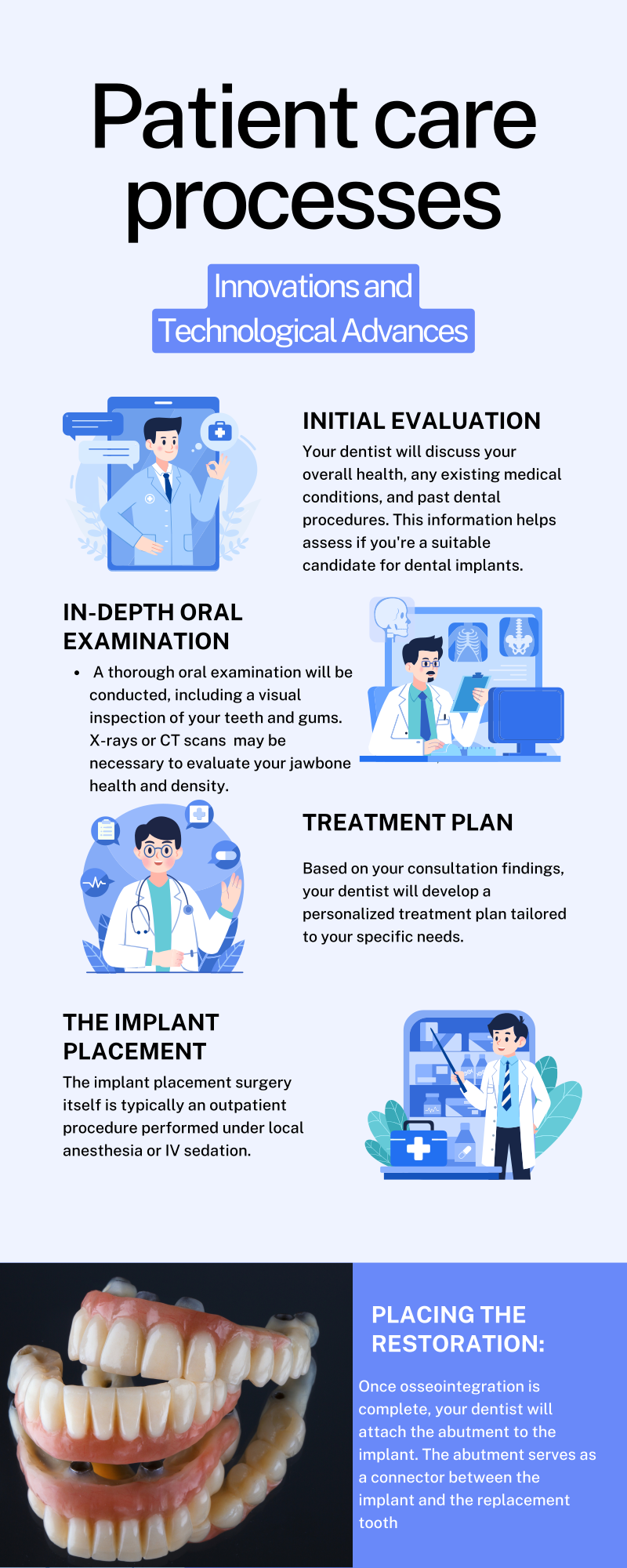
Reviewing Your Medical and Dental History: Your dentist will discuss your overall health, any existing medical conditions, and past dental procedures. This information helps assess if you’re a suitable candidate for dental implants.
In-depth Oral Examination: A thorough oral examination will be conducted, including a visual inspection of your teeth and gums. X-rays or CT scans (cone beam computed tomography) may be necessary to evaluate your jawbone health and density.
Discussing Your Expectations and Goals: Open communication is crucial. Discuss your desired outcome, concerns, and any questions you may have about the implant procedure.
Treatment Plan Development: Based on your consultation findings, your dentist will develop a personalized treatment plan tailored to your specific needs. This plan will outline the number and type of implants needed, potential bone grafting procedures (if necessary), the restoration options, and the estimated timeline for treatment.
Cost Breakdown and Insurance Coverage: Implant treatment typically involves an investment. Your dentist will discuss the associated costs and explain any potential insurance coverage for implant procedures. It’s always recommended to check with your insurance provider beforehand to understand your coverage details.
Preparing for Surgery: A Collaborative Approach
Once you and your dentist decide to proceed with implant placement, some preparation steps are essential:
Pre-operative Instructions: Your dentist will provide specific instructions regarding pre-operative care, including any dietary restrictions, medications to avoid, and oral hygiene practices to follow.
Medical Clearance: If you have certain medical conditions, your dentist may require clearance from your physician before proceeding with surgery.
Managing Dental Anxiety: Some patients experience dental anxiety. Dental professionals offer various techniques, such as sedation dentistry, to ensure a comfortable experience during the implant procedure.
The Implant Placement Procedure: A Step-by-Step Guide
The implant placement surgery itself is typically an outpatient procedure performed under local anesthesia or IV sedation. Here’s a simplified breakdown of the general steps involved:
Anesthesia Administration: Local anesthesia will be administered to numb the area where the implant will be placed. Depending on your preference and the complexity of the surgery, IV sedation may also be offered to promote relaxation.
Gum Tissue Incision: A small incision will be made in the gum tissue to expose the underlying jawbone.
Jawbone Preparation: Using specialized instruments, the dentist will create a small opening in the jawbone to accommodate the implant post. Bone grafting procedures may be necessary in cases of insufficient bone density.
Implant Placement: The titanium implant post is then carefully inserted into the prepared opening in the jawbone.
Stitches or Closure: The gum tissue is then sutured (stitched) closed to promote healing.
Step 4: Healing and Osseointegration - Building a Strong Foundation
After the surgery, it’s time for healing and osseointegration, a vital process where the jawbone fuses with the implant surface. This process can take several months, depending on individual factors. During this time:
Pain Management: Your dentist will prescribe medication to manage any post-surgical discomfort.
Dietary Modifications: A soft diet is recommended to minimize pressure on the implant site while it heals.
Oral Hygiene: Maintaining good oral hygiene is crucial to prevent infection. Use a soft-bristled toothbrush and gentle cleaning techniques.
Regular Follow-Up Appointments: These are essential to monitor healing, address any concerns, and remove stitches once they dissolve or need removal.
Step 5: Abutment Placement - The Connecting Piece
Once the healing period is complete and osseointegration is achieved, it’s time for the abutment placement. The abutment is a small connector piece that sits on top of the implant and serves as the foundation for the final restoration (crown or bridge). This procedure is typically less invasive than the implant placement surgery and often requires local anesthesia.
Types of Abutments:
There are various abutment types depending on the implant location and the type of restoration being placed. Your dentist will choose the most suitable one for your case.
Step 6: The Grand Finale - The Final Restoration
The final piece of the puzzle is attaching the permanent restoration to the abutment. This restoration, usually a crown or bridge, is custom-made to match your surrounding teeth in size, shape, and color.
Step 7 Long-Term Maintenance:
With proper care and maintenance, dental implants can last a lifetime. To keep your implants in optimal condition, it’s essential to:
- Brush and floss regularly to prevent plaque buildup and gum disease.
- Visit your dentist for regular check-ups and cleanings.
- Avoid chewing on hard objects or using your teeth as tools to prevent damage to the restoration.
Step 8. Conclusion:
The dental implant procedure offers a permanent and reliable solution for replacing missing teeth, restoring both function and aesthetics to your smile. From the initial consultation to the final restoration, understanding what to expect throughout the process can help alleviate any concerns and ensure a smooth experience.
If you’re considering dental implants, schedule a consultation with a qualified dentist to discuss your options and create a personalized treatment plan. With proper care and maintenance, you can enjoy the benefits of a beautiful and healthy smile for years to come.
**Ready to Transform Your Smile?**
If you’re ready to take the next step towards a confident and healthy smile, schedule a consultation with our experienced dental team at DentalCareAndCure.in. Our skilled professionals will guide you through the dental implant process and provide personalized care to meet your unique needs. Don’t wait any longer to reclaim your smile – contact us today!
For more information please log in https://dentalcareandcure.in