Understanding the Cost of Dental Implants: Factors That Influence Pricing
- Dr Bikaswh Pattanaik
- Dental implant
- April 18, 2024
Dental implants are a remarkable innovation in dentistry, offering a permanent and aesthetically pleasing solution for replacing missing teeth. They provide numerous benefits, restoring your ability to chew comfortably, speak clearly, and smile with confidence. However, when considering dental implants, the cost is a natural concern.
This blog aims to shed light on the factors that influence the pricing of dental implants, empowering you to make informed decisions about your oral health. It’s important to understand that the cost of dental implants isn’t a one-size-fits-all proposition. Several variables come into play, and this blog will explore them in detail.
Breaking Down the Costs: A Multi-Step Process
Unlike a simple dental procedure, dental implant placement involves multiple stages. Understanding these stages will help you comprehend the cost breakdown:
Consultation and Evaluation: The initial consultation with your dentist is crucial for assessing your needs and determining if dental implants are the right solution for you. This consultation might involve X-rays, scans, and a discussion of your medical history. While some consultations might be complimentary, there might be a fee associated with this initial step.
Implant Placement Surgery: This surgical procedure involves placing the titanium implant post(s) into your jawbone. The cost of surgery can vary depending on factors like the complexity of the case, the number of implants needed, and the geographic location of your dentist. Anesthesia fees are also typically factored into the surgical cost.
Abutment Placement: After a successful healing period following implant placement, a small connector piece called an abutment is attached to the implant post. This abutment serves as the foundation for the final restoration, such as a crown, bridge, or denture. The cost of the abutment is typically included as part of the overall implant treatment plan.
Final Restoration: The final stage involves creating and placing the custom-made restoration that will be visible in your smile. The material used for the restoration (crown, bridge, or denture) can influence the cost. For example, zirconia crowns are typically more expensive than porcelain crowns.
Key Factors Affecting Dental Implant Costs
Now that we understand the different stages involved in dental implant treatment, let’s delve into the key factors that can influence the overall cost:
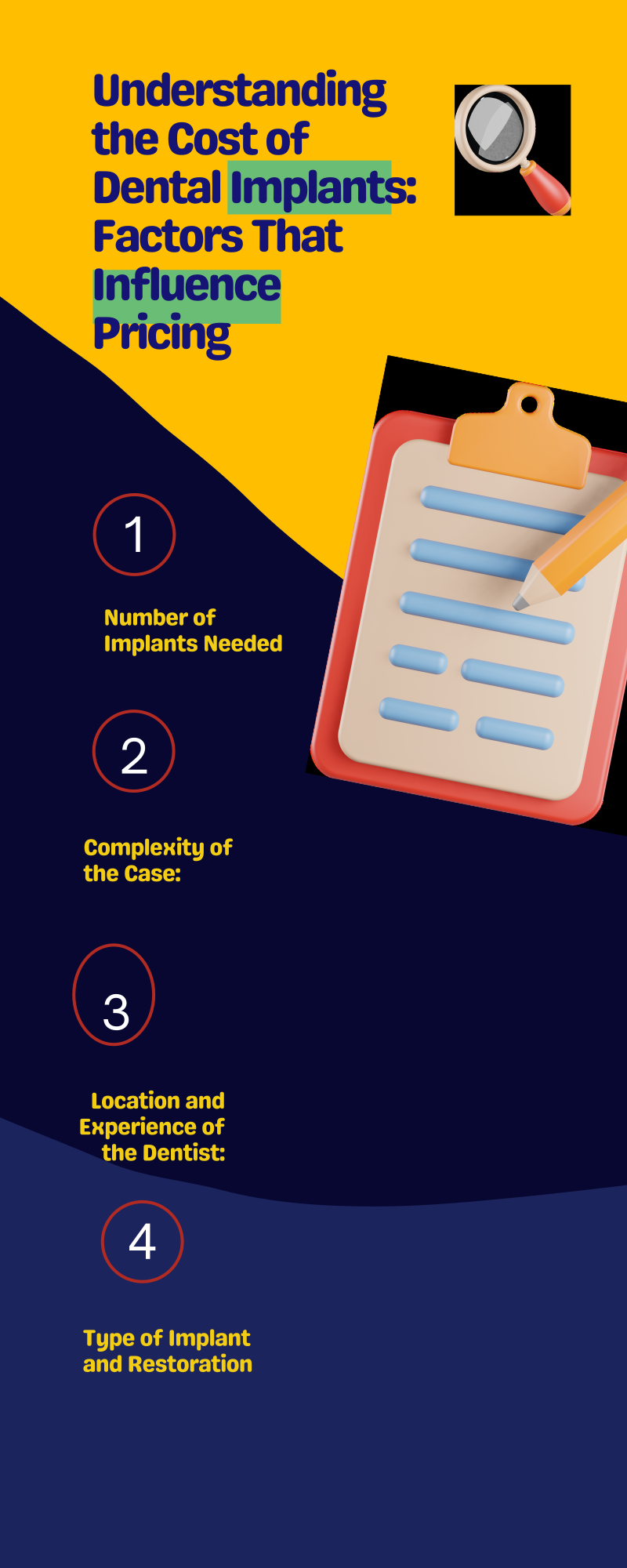
Number of Implants Needed: The number of implants required to replace missing teeth significantly impacts the cost. Replacing a single tooth will naturally be less expensive than replacing multiple teeth or an entire arch. Your dentist will develop a personalized treatment plan based on your specific needs.
Complexity of the Case: Simple implant placements in straightforward cases might be less expensive compared to complex scenarios. Factors like bone grafting procedures (needed to augment jawbone volume before implant placement) or immediate loading techniques (placing a temporary restoration on the implant on the same day or shortly after placement) can add to the overall cost.
Location and Experience of the Dentist: The geographic location of your dentist’s practice can influence pricing. Dental implant costs might vary depending on the cost of living in a particular area. The experience and expertise of your dentist can also play a role. Highly skilled and experienced dentists might command higher fees.
Type of Implant and Restoration: The specific type of implant and restoration material used can influence the cost. For example, certain premium implant brands might be more expensive than others. Similarly, zirconia crowns are typically more expensive than porcelain crowns, though both offer excellent aesthetics. Your dentist will discuss the various options available and their corresponding costs.
Anesthesia Costs: The type of anesthesia used during implant placement surgery can impact the cost. Local anesthesia is typically less expensive than general anesthesia.
Dental Insurance Coverage: Dental insurance plans might offer some coverage for dental implants, but it can vary widely. It’s crucial to understand your specific plan and the extent of coverage for implant procedures. You can contact your insurance provider to get a clear picture of what your plan covers.
Understanding the Value Beyond the Cost
While the cost of dental implants is a significant factor to consider, it’s essential to weigh the long-term value they offer:
Durability and Longevity: Dental implants are incredibly durable and can last a lifetime with proper care. This eliminates the need for repeated replacements, unlike traditional dentures that might require adjustments or remakes over time.
Improved Oral Health: Dental implants prevent bone loss that can occur with missing teeth. This bone loss can lead to facial collapse and additional dental problems in the future. Implants preserve jawbone health, potentially saving you money on future dental procedures.
Enhanced Quality of Life: The benefits of dental implants extend far beyond just replacing teeth. They can improve your ability to eat comfortably, speak clearly, and boost your
Beyond the Basic Costs: Additional Considerations
While the core cost breakdown focuses on the implant placement surgery, abutment, and final restoration, there might be additional factors to consider:
Pre-operative Tests: X-rays, CT scans, and other diagnostic tests might be necessary to assess your jawbone health and plan the implant placement accurately. The cost of these tests can vary depending on the facility and complexity required.
Medications: Following implant placement surgery, your dentist might prescribe pain medication or antibiotics to manage any discomfort and prevent infection. The cost of these medications will depend on your specific needs and the prescriptions provided.
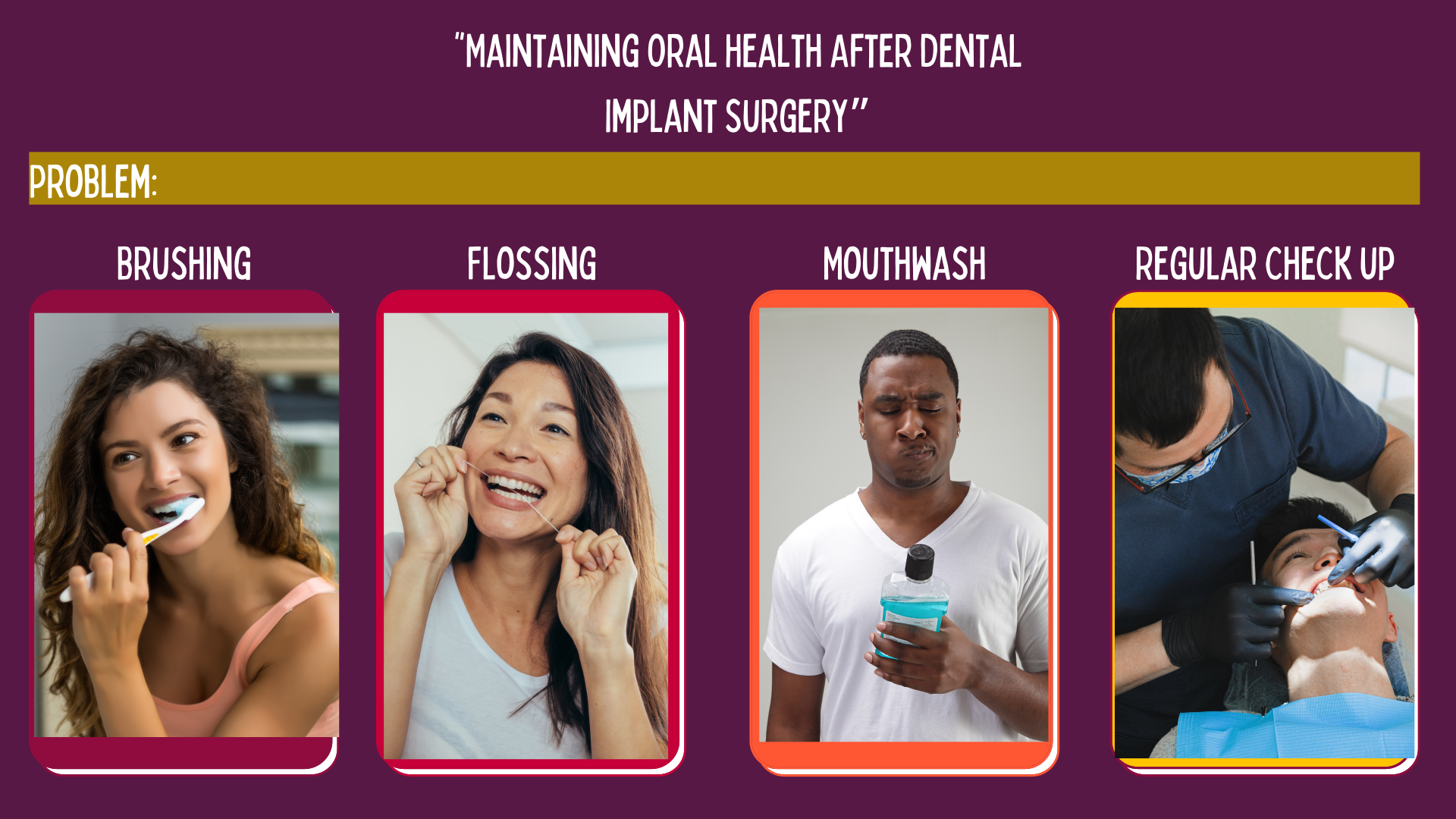
Post-operative Care: Regular dental checkups and cleanings are crucial after implant placement to monitor healing and ensure the long-term success of the implants. The cost of these follow-up appointments will be similar to your regular dental hygiene visits.
Transparent Communication is Key
The cost of dental implants can vary depending on your unique situation. To get a clear picture of the expected costs involved, it’s essential to have a transparent conversation with your dentist. Here are some tips for effective communication:
Ask Questions: Don’t hesitate to ask your dentist detailed questions about the cost breakdown for each stage of the treatment process. This includes the cost of the implants themselves, the surgical fees, the cost of the abutment and restoration, and any additional charges associated with anesthesia, pre-operative tests, or medications.
Discuss Treatment Options: Your dentist will develop a personalized treatment plan based on your needs. Discuss the various options available, including the type of implants, restoration materials, and any additional procedures like bone grafting. Understanding the cost implications of each option will empower you to make informed decisions.
Explore Payment Options: Many dental practices offer flexible payment plans and financing options to make dental implants more accessible. Discuss these options with your dentist’s office to determine what works best for your financial situation.
Considering Alternatives: A Balanced Approach
While dental implants offer numerous advantages, it’s important to understand alternative solutions for replacing missing teeth. Here’s a brief comparison:
Dentures: Dentures are a more traditional and cost-effective option for replacing missing teeth. However, they can be less stable and comfortable compared to implants. Dentures might require adjustments or remakes over time, potentially adding to the overall cost in the long run.
Bridges: Dental bridges can be a viable option for replacing a few missing teeth. However, they rely on healthy teeth on either side of the gap to support the bridge structure. This might necessitate crowning the healthy teeth, adding to the cost.
The Investment in a Healthy Smile
Dental implants are an investment in your oral health and overall well-being. While the initial cost might seem significant, the long-term benefits outweigh the initial investment. With proper care and maintenance, dental implants can last a lifetime, eliminating the need for repeated replacements and associated costs.
Taking the Next Step
If you’re considering dental implants to replace missing teeth and improve your quality of life, schedule a consultation with a qualified dentist. A thorough consultation will provide you with a personalized treatment plan, a clear breakdown of the expected costs, and the opportunity to discuss any concerns you might have. With comprehensive knowledge and open communication, you can make an informed decision about whether dental implants are the right solution for you to achieve a healthy and confident smile.
For more information please log in https://dentalcareandcure.in
Dr Bikash Pattanaik,
Care and Cure Dental Implant and Cosmetic Center