Maintaining Oral Health After Dental Implant Surgery: Tips and Tricks for a Thriving Smile
- Dr Bikash Pattanaik
- Dental implant , Oral hygiene
- July 1, 2024
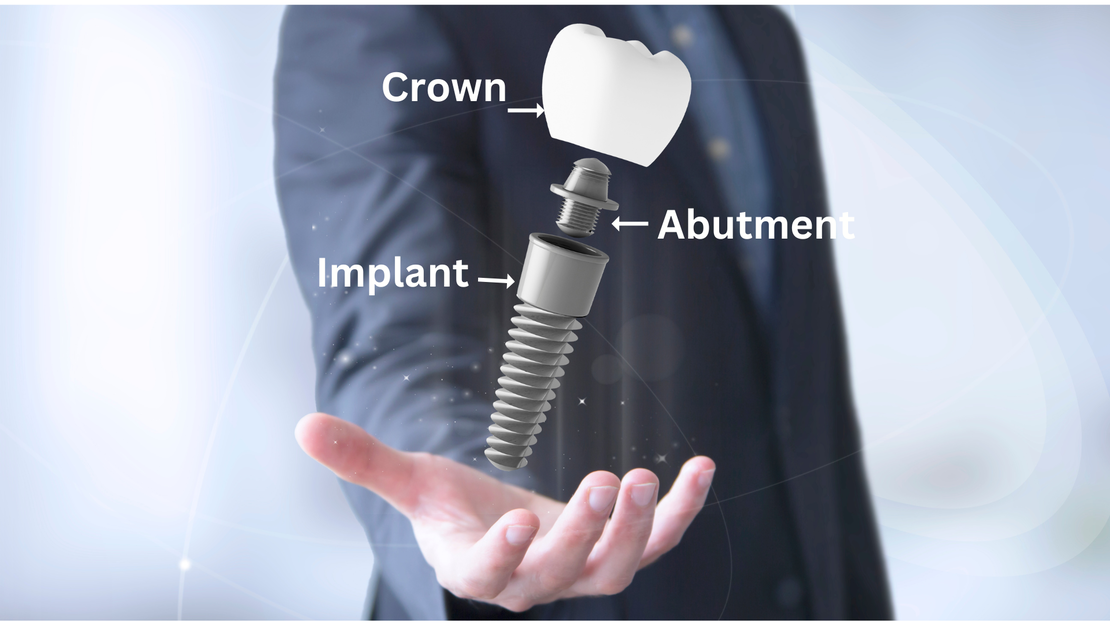
Dental implants are a remarkable innovation in dentistry, offering a permanent and aesthetically pleasing solution for replacing missing teeth. They function and feel just like natural teeth, restoring your ability to chew comfortably, speak clearly, and smile with confidence. However, similar to natural teeth, dental implants require proper care to ensure their long-term success and prevent complications.
This blog delves into the essential steps for maintaining optimal oral health after dental implant surgery, empowering you with the knowledge and tools to keep your smile healthy and thriving for years to come.
Understanding the Importance of Oral Hygiene
Following dental implant surgery, the focus shifts from the surgical procedure to meticulous oral care. Here’s why good oral hygiene is crucial:
Preventing Peri-Implant Disease: Just like gum disease affects natural teeth, peri-implant disease can affect dental implants. This condition occurs due to plaque buildup around the implant site, leading to inflammation and potential bone loss. Maintaining good oral hygiene helps prevent plaque accumulation and safeguard the health of your implants and surrounding tissues.
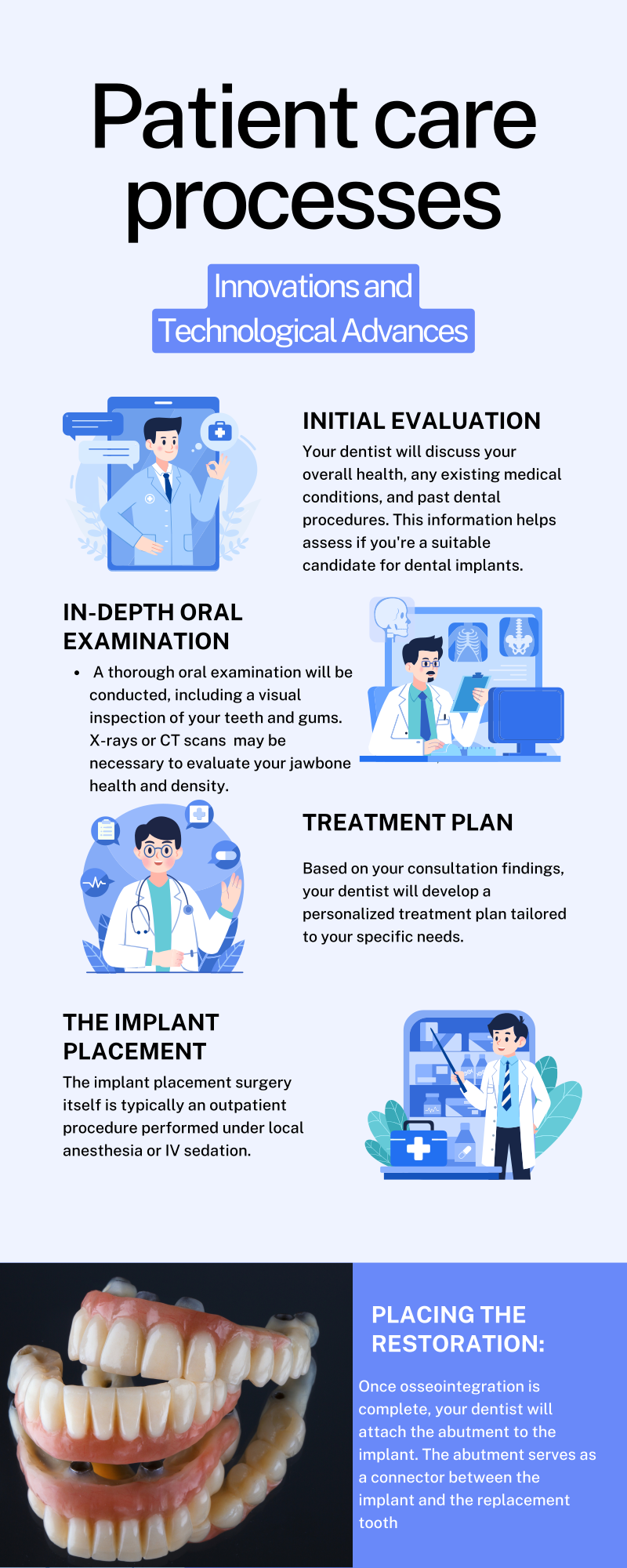
Promoting Healing and Osseointegration: Following implant placement, the jawbone fuses with the implant in a process called osseointegration. Proper oral hygiene minimizes the risk of infection, promotes faster healing, and optimizes the osseointegration process.
Maintaining a Healthy Smile: Excellent oral hygiene not only protects your implants but also promotes overall oral health. It keeps your breath fresh, prevents gum disease, and contributes to the overall aesthetics of your smile.
Essential Tips and Tricks for Post-Implant Oral Care:
Now that we understand the importance of oral hygiene, let’s explore practical tips and tricks to maintain a clean and healthy smile after dental implant surgery:
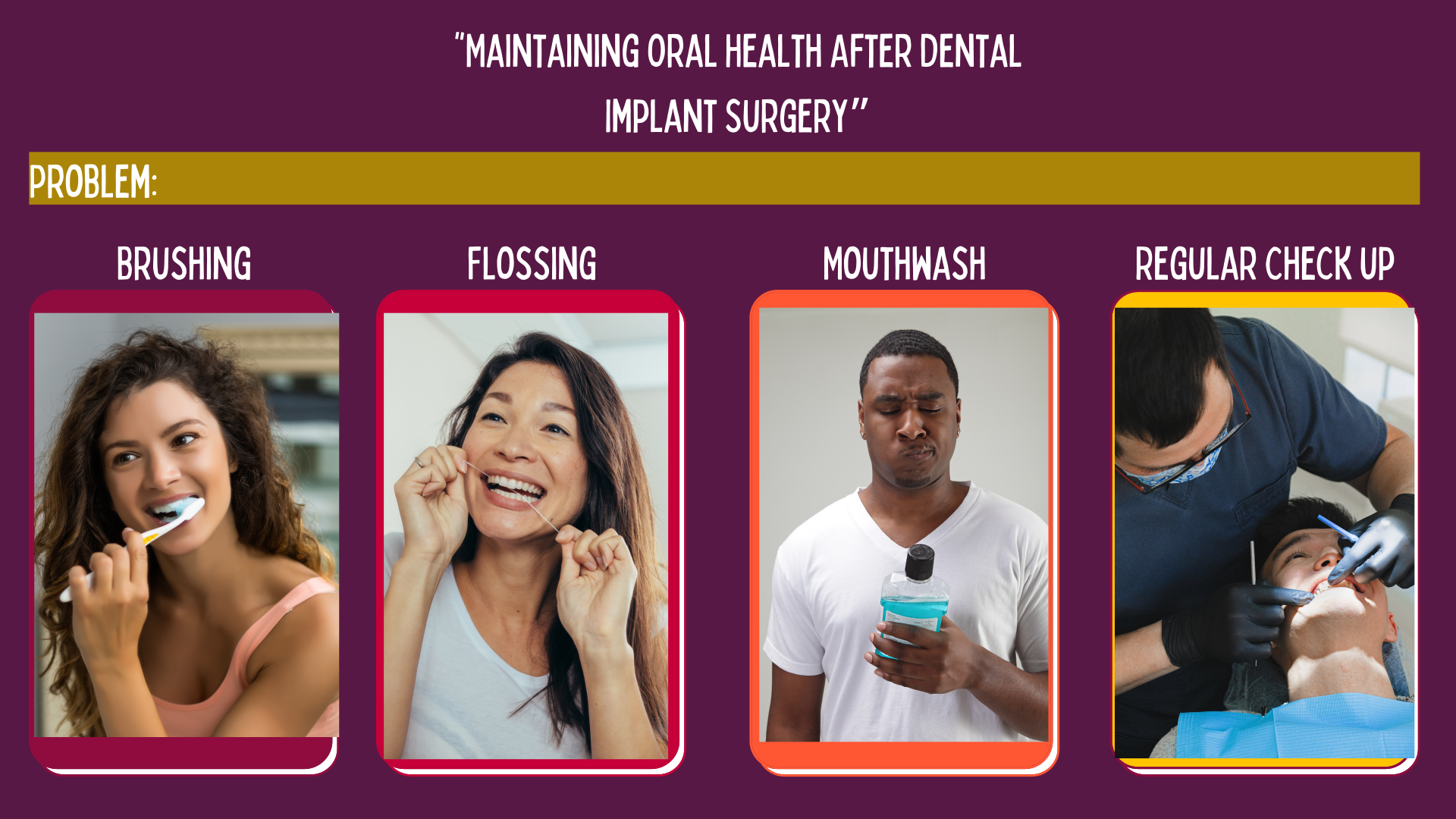
Brushing: This might seem obvious, but proper brushing technique is essential after implant surgery. Use a soft-bristled toothbrush specifically designed for dental implants. These brushes often have softer ends to gently clean around the implant site without damaging the implant or surrounding tissues.
Brushing Frequency: Brush your teeth twice a day for at least two minutes each time. Pay special attention to the area around the implant, using gentle circular motions.
Brushing Technique: Tilt the brush at an angle to reach the gum line around the implant and the surface of the implant itself. Avoid brushing too vigorously, focusing on gentle yet thorough cleaning.
Flossing: Flossing plays a vital role in removing plaque and debris between teeth and around the implant site. Traditional floss can be challenging to maneuver around implants. Consider using specific implant flossers or interdental brushes designed for easier cleaning in these areas.
Flossing Frequency: Floss once a day, ideally before bedtime.
Flossing Technique: Follow the instructions provided by your dentist for using implant floss or interdental brushes. Be gentle and avoid snapping the floss or brush against the implant.
Antibacterial Mouthwash: In addition to brushing and flossing, using an antibacterial mouthwash can be beneficial. Choose a mouthwash specifically formulated for use with dental implants and follow the manufacturer’s instructions for proper use and dilution.
Special Considerations for Temporary Restorations: If you have a temporary restoration placed during the healing stage, your dentist will provide specific cleaning instructions. These might involve using a soft toothbrush and avoiding harsh cleaning products.
Additional Practices to Promote Healing and Success:
Follow Your Dentist’s Instructions: Your dentist will provide specific post-operative instructions tailored to your individual situation. These may include dietary recommendations, pain management guidance, and specific cleaning techniques. Following these instructions diligently is crucial for optimal healing and implant success.
Maintain a Healthy Diet: A healthy diet not only benefits your overall health but also promotes good oral health. Limit sugary and acidic foods that can contribute to plaque buildup. Choose nutritious foods rich in vitamins and minerals to support healing and maintain strong bones and gums.
Schedule Regular Dental Checkups and Cleanings: Regular dental visits are essential for monitoring the health of your implants and surrounding tissues. Your dentist can perform professional cleanings to remove any stubborn plaque or tartar buildup that your daily routine might miss. These checkups also allow for early detection of any potential problems like peri-implant disease. Typically, more frequent cleanings might be recommended in the initial stages following implant placement, with the frequency gradually transitioning to regular dental hygiene appointments.
Lifestyle Habits that Can Impact Implant Health:
Smoking: As mentioned earlier, smoking is a major risk factor for peri-implant disease. Smoking weakens the immune system, hindering the body’s ability to fight infection. It also reduces blood flow, which is essential for proper healing and maintaining healthy tissues around the implant. If you’re considering dental implants, quitting smoking is highly recommended, ideally well before surgery.
Heavy Alcohol Consumption: Excessive alcohol consumption can also negatively impact implant health. Alcohol can contribute to dry mouth, reducing the natural cleansing action of saliva. It can also weaken the immune system and hinder healing. Moderation is key when it comes to alcohol consumption after implant surgery and for your overall oral health.
Bruxism (Teeth Grinding): Bruxism, or teeth grinding, is a condition where you unconsciously clench or grind your teeth. This can put excessive stress on the implants and surrounding bone, potentially leading to implant damage or loosening. If you suspect you might grind your teeth, consult with your dentist to discuss treatment options, such as wearing a nightguard to protect your implants from the forces of grinding.
Poorly Controlled Diabetes: Diabetes can affect how your body heals and increases the risk of infection. Uncontrolled diabetes can make it more difficult for your implants to integrate properly with the jawbone and increase the risk of peri-implant disease. If you have diabetes, it’s crucial to manage your condition effectively to optimize implant success.
Maintaining a Healthy Weight: Research suggests a potential link between obesity and an increased risk of implant failure. Maintaining a healthy weight through a balanced diet and regular exercise contributes to overall health and can benefit your implant health as well.
Additional Tips for a Thriving Smile:
Listen to Your Body: Following dental implant surgery, some discomfort and swelling are normal. However, if you experience excessive pain, prolonged bleeding, or any unusual symptoms, don’t hesitate to contact your dentist promptly.
Schedule Regular Dental Checkups: As mentioned earlier, regular dental visits are essential for monitoring your implant health. These checkups allow for early detection and treatment of any potential issues, ensuring the long-term success of your implants.
Invest in Quality Oral Hygiene Products: Using a soft-bristled toothbrush specifically designed for dental implants and an antibacterial mouthwash formulated for implant care can make a difference. Consult your dentist for recommendations on suitable oral hygiene products.
Conclusion: A Commitment to a Healthy Smile
Dental implants are a remarkable investment in your oral health and confidence. By following these tips and tricks for maintaining good oral hygiene, adopting healthy lifestyle habits, and attending regular dental checkups, you can ensure the long-term success of your implants and enjoy the benefits of a healthy, thriving smile for years to come. Remember, open communication with your dentist is vital throughout the process – don’t hesitate to ask questions and address any concerns you might have. With a dedicated effort and a commitment to good oral health, your dental implants can empower you to smile with confidence and enjoy a lifetime of oral health benefits.
Dr Bikash Pattanaik,
Care and Cure Dental Implant and Cosmetic Center, Nashik
For more information please log in https://dentalcareandcure.in