Are You a Candidate for Dental Implants? Exploring Factors for a Thriving Smile
- Dr Bikash Pattanaik
- Dental implant , Dental prosthesis
- April 10, 2024
Missing teeth can be a source of frustration and insecurity. They can affect your ability to chew comfortably, speak clearly, and even impact your self-esteem. Fortunately, modern dentistry offers solutions like dental implants to restore your smile and improve your oral health.
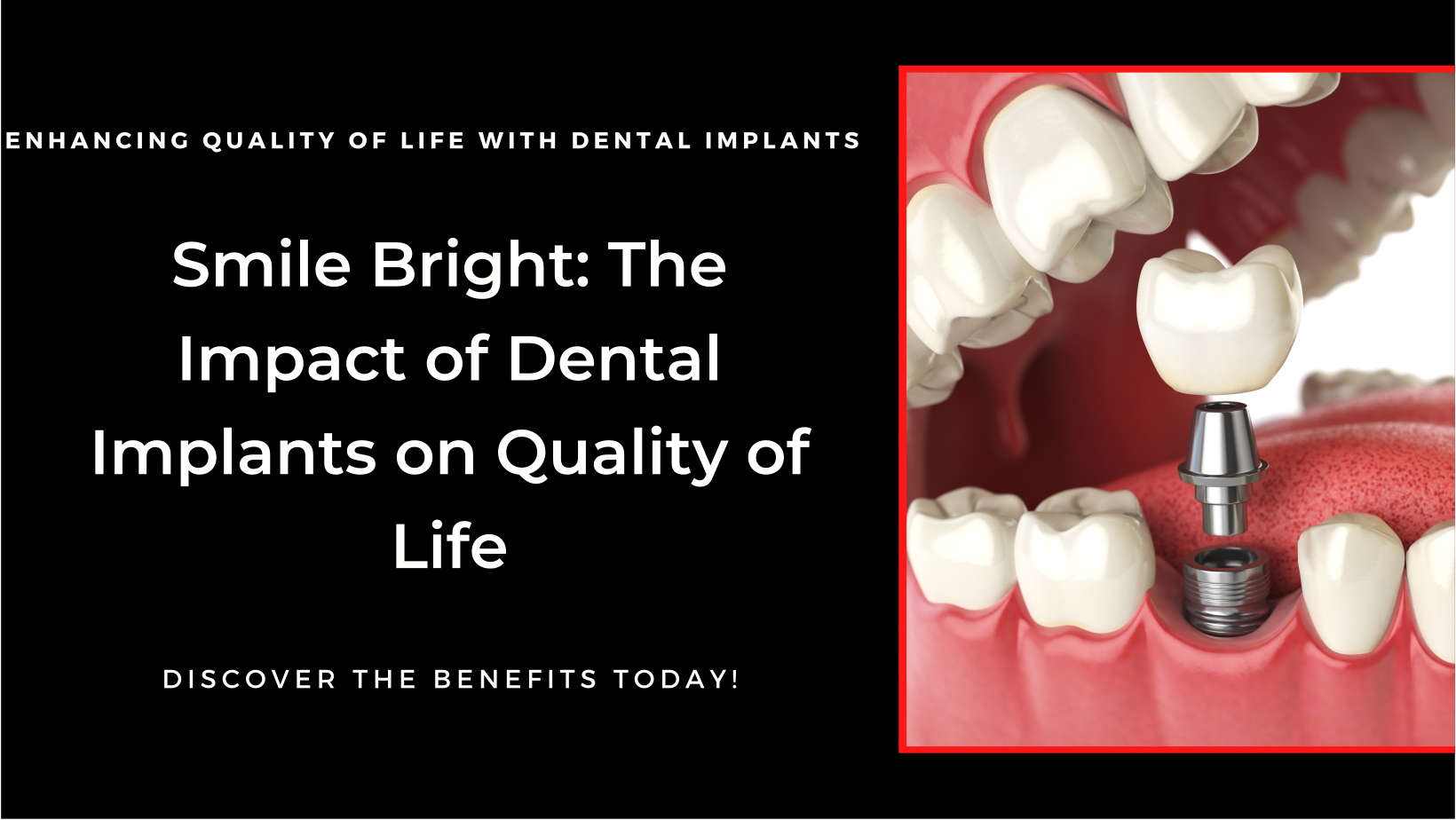
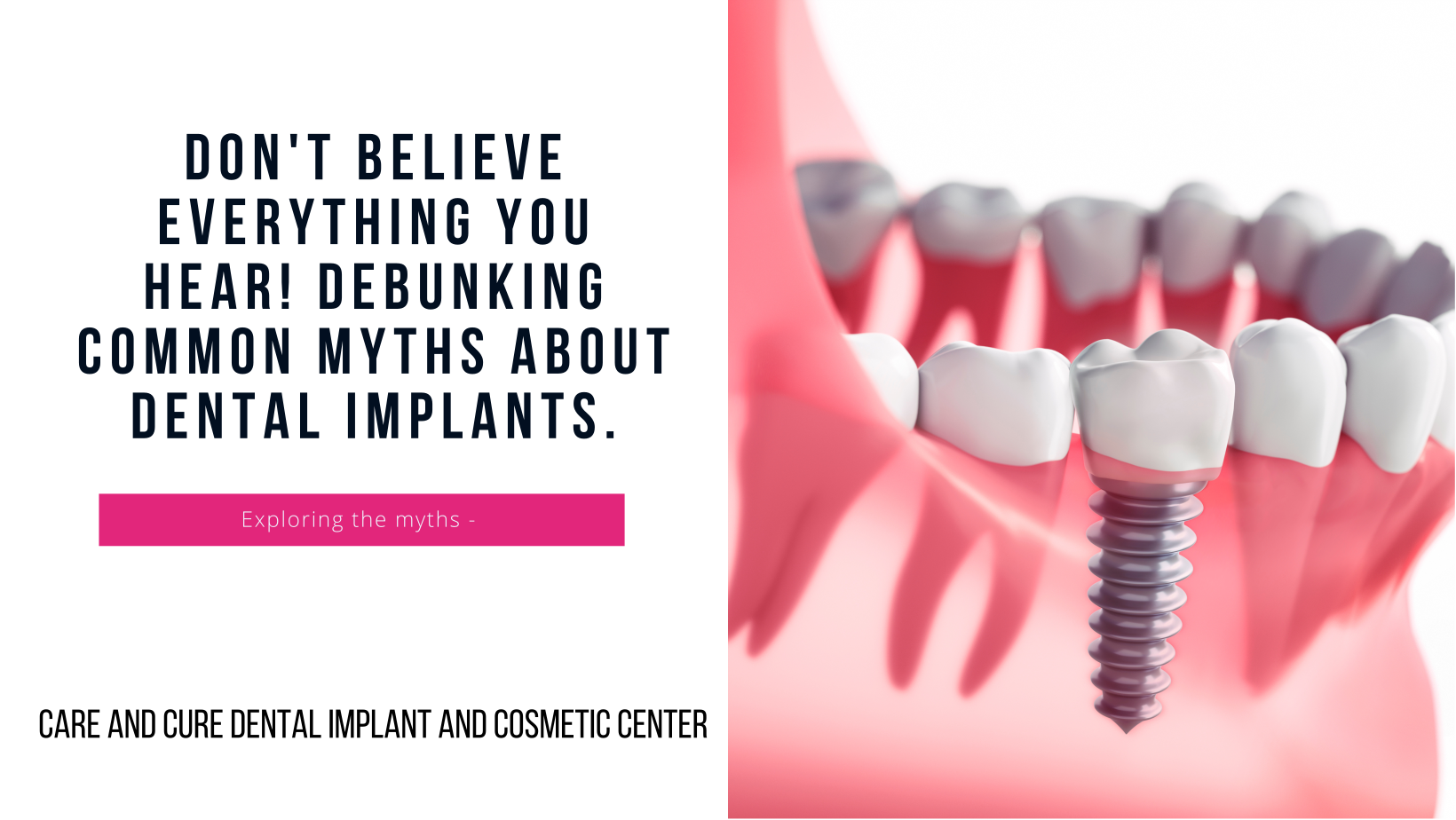
Dental implants are considered the gold standard for tooth replacement. They are small, screw-like posts made of titanium that are surgically placed into the jawbone. These implants act as artificial tooth roots, providing a stable foundation for custom-made crowns that replicate the look and function of natural teeth.
While dental implants offer a multitude of benefits, they aren’t always the right fit for everyone. This blog explores various factors to consider when determining if you’re a good candidate for dental implants.
Understanding Your Overall Health:
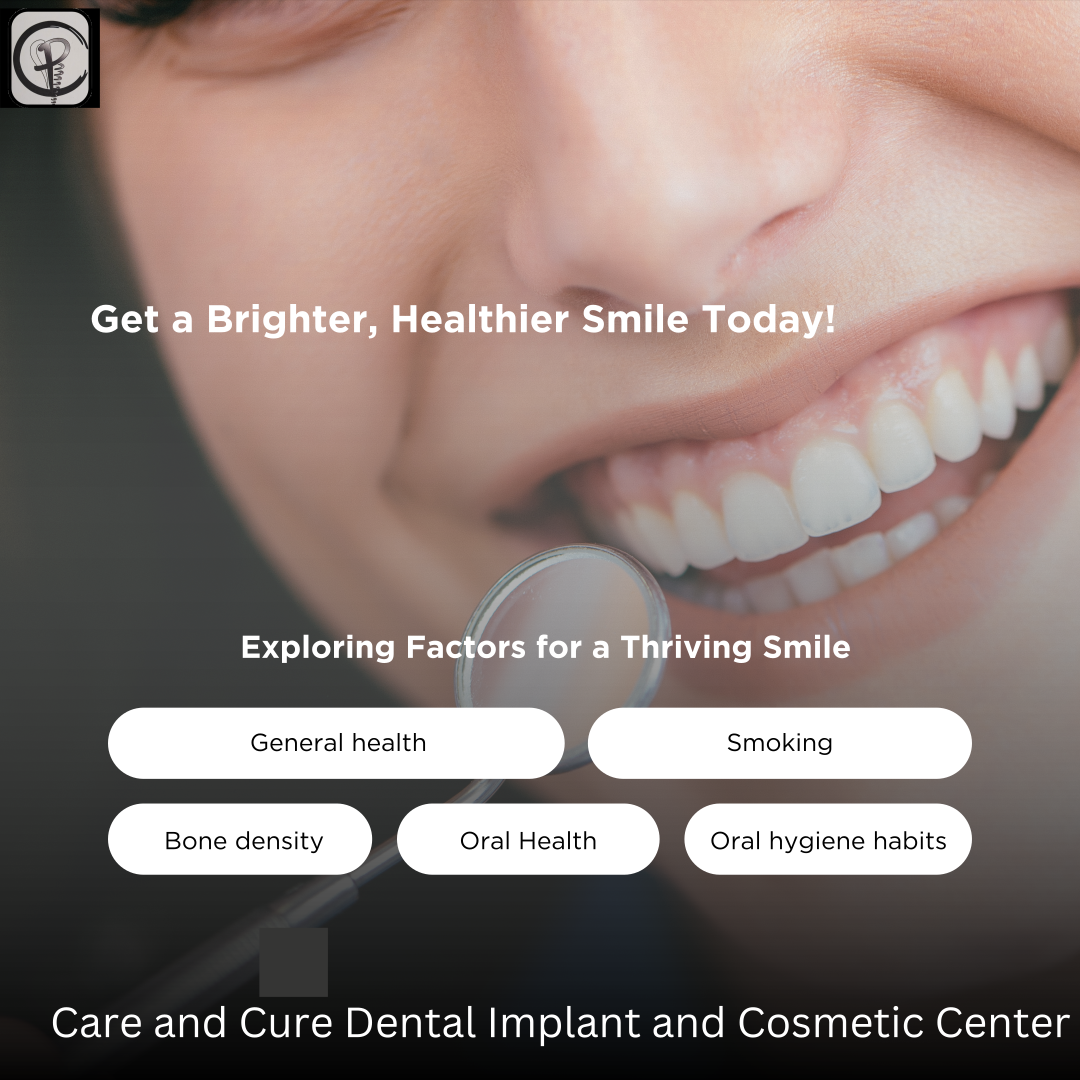
General health: Overall good health is crucial for undergoing any surgical procedure, including dental implant placement. Patients with uncontrolled chronic conditions like diabetes or heart disease may require additional evaluation and clearance from their physician before proceeding with implant surgery.
Smoking: Smoking and tobacco can negatively impact healing after implant placement and increase the risk of implant failure. Quitting smoking or significantly reducing cigarette consumption is highly recommended before and after implant surgery.
Assessing Your Jawbone Health:
Bone density: Sufficient jawbone density is necessary to support dental implants. The jawbone provides the foundation for implant stability and osseointegration. Dentists use X-rays and CT scans to assess jawbone density and determine if it’s adequate for implant placement.
Candidates with inadequate bone density due to bone loss or resorption may require bone grafting procedures to augment the jawbone and enhance implant stability.
. Bone resorption: Missing teeth can lead to bone loss in the jaw over time. In some cases, bone grafting procedures may be necessary to augment the jawbone and create a suitable site for implant placement.
Considering Oral Health:
Gum health: Healthy gums are essential for successful implant placement and long-term implant success. Patients with gum disease (periodontitis) will need to undergo treatment to achieve healthy gums before implant surgery can proceed.
Oral hygiene habits: Good oral health is essential for successful dental implant placement. Candidates should have healthy gums and adequate jawbone density to support the implants. Patients with periodontal disease or insufficient bone may require preliminary treatments such as gum disease therapy or bone grafting to improve candidacy. Maintaining good oral hygiene practices, including regular brushing, flossing, and professional dental cleanings, is crucial for the long-term health of dental implants.
Additional Factors to Consider:
Age: Age is not a strict determinant of dental implant candidacy; however, candidates should have completed facial growth and development. While older adults can still be suitable candidates for dental implants, younger individuals may have better bone healing and integration capacity
Medical history: Certain medical conditions or medications may impact healing or increase the risk of complications after implant surgery. Be transparent with your dentist about your complete medical history. Candidates are required to disclose their complete medical history, including any medications, allergies, or previous surgeries, to the implant dentist. Certain medical conditions or medications may affect dental implant candidacy and require careful evaluation by the dental team
Financial considerations: Dental implants are typically more expensive than other tooth replacement options like dentures or bridges. However, their long-term durability, minimal need for replacement, and improved quality of life can make them a worthwhile investment.
Dental anxiety: Some patients experience dental anxiety. Dental professionals offer various techniques to manage anxiety, such as sedation dentistry, to ensure a comfortable experience during the implant procedure.
Benefits of Dental Implants:
While you consider your candidacy for dental implants, it’s helpful to understand their advantages:
Natural look and feel: Dental implants function and appear just like natural teeth. They offer a stable foundation for chewing and biting, replicating the natural biting sensation.
Durability and longevity: Implants are designed to last a lifetime with proper care. They are highly durable and resistant to wear and tear.
Improved oral health: Implants don’t put stress on surrounding teeth and help preserve jawbone health through osseointegration. This prevents bone loss, a common issue with missing teeth and dentures.
Increased confidence: A complete and natural-looking smile can significantly boost your confidence and self-esteem.
Improved speech: Implants eliminate the slipping issues associated with dentures, allowing for clear and confident speaking.
Improved eating ability: Enjoy your favorite foods again! Dental implants allow you to chew a wider variety of foods comfortably and efficiently.
The Consultation Process:
If you’re interested in dental implants, the first step is to schedule a consultation with a dentist specializing in implant dentistry. During the consultation, your dentist will:
Review your medical and dental history. Conduct a thorough oral examination, including X-rays or CT scans to assess your jawbone health. Discuss your expectations and treatment goals. Explain the implant placement process in detail, including potential risks and complications. Develop a personalized treatment plan tailored to your specific needs. Discuss the costs associated with dental implant treatment.
Next Steps:
If you and your dentist determine that you’re a good candidate for dental implants, the following steps can be expected:
Treatment planning: Your dentist will develop a detailed treatment plan outlining the number of implants needed, their placement, and the type of restoration (crown, bridge, or denture) used on top
Conclusion:
In summary, dental implants offer a transformative solution for individuals seeking to restore their smiles and oral function. However, candidacy for dental implants depends on various factors, including overall health, oral health, jawbone density, age, smoking habits, commitment to oral hygiene, and medical history. Consulting with a qualified implant dentist is essential to assess candidacy and develop a personalized treatment plan tailored to your unique needs.
At Care and Cure Dental Implant and Cosmetic Center, our experienced team led by Dr. Bikash Pattanaik specializes in providing comprehensive dental implant solutions. If you’re considering dental implants or have questions about candidacy, we’re here to help. Schedule a consultation with us today to discuss your options and take the first step towards reclaiming your smile.
Visit our website at https://dentalcareandcure.in for more information and to schedule your consultation.
Dr. Bikash Pattanaik
Prosthodontist
Care and Cure Dental Implant and Cosmetic Center, Nashik